How to Curate a Healthy Wardrobe
Lauren Naughton
Over in my last blog post I spoke about how much fast fashion sucks. One of these reasons is the high synthetic content of their clothing (among other things like modern slavery and toxic pollution of course). We’re told to watch what we eat, exercise, don’t smoke or do drugs, avoid too much alcohol as all these things can contribute to our poor health. But you could be surprised to find out what is lurking in your wardrobe. You might be thinking, “how can a wardrobe be healthy?”, let me explain.
Our skin is the largest organ of our bodies. We can absorb 37% of what is on our skin, sometimes more depending on the contaminant. If you consider nicotine patches or hormone patches, these are all specifically made to be absorbed by the skin. So, it’s no question that what we wear on our skin all day can also be absorbed into the body.
Synthetic fibres such as polyester, acrylic, nylon, elastane – they are all petroleum derived materials. The plastics of the textile world. You have probably heard to avoid plastics in relation to kitchenware, especially terms like ‘BPA free’, but not so much when it comes to what we put on our bodies. What is in these textiles that creates a need to avoid them?
Synthetic textiles are produced using around 8,000 chemicals. For reference, cigarette smoke contains around 7,000 chemicals. We all know smoking is bad and causes cancer, we don’t know what is hiding in our clothes. Here are some of the chemicals used in creating synthetic clothing.
- Phthalates
- Flame retardants
- PFAS
- Lead & chromium (heavy metals)
- Chlorine bleach
- AZO dyes
- Volatile organic chemicals (such as formaldehyde)
Not all chemicals are bad, but there are bad chemicals. Each of the above have been shown to be probable carcinogens, skin irritants and hormone disruptors. Some have been linked to infertility and reproductive system damage, liver and respiratory problems. Further to this, they will all cause water pollution through their manufacture and dyeing process.
Unlike food, our clothes don’t have to share a list of ingredients that make them. However, you will find the material composition on the care tags (see below). These have to be included on all garments and show the percentages of material composition. For example, you might think you have a cotton t-shirt, but if you look at the care label it could be 70% cotton, 30% polyester.
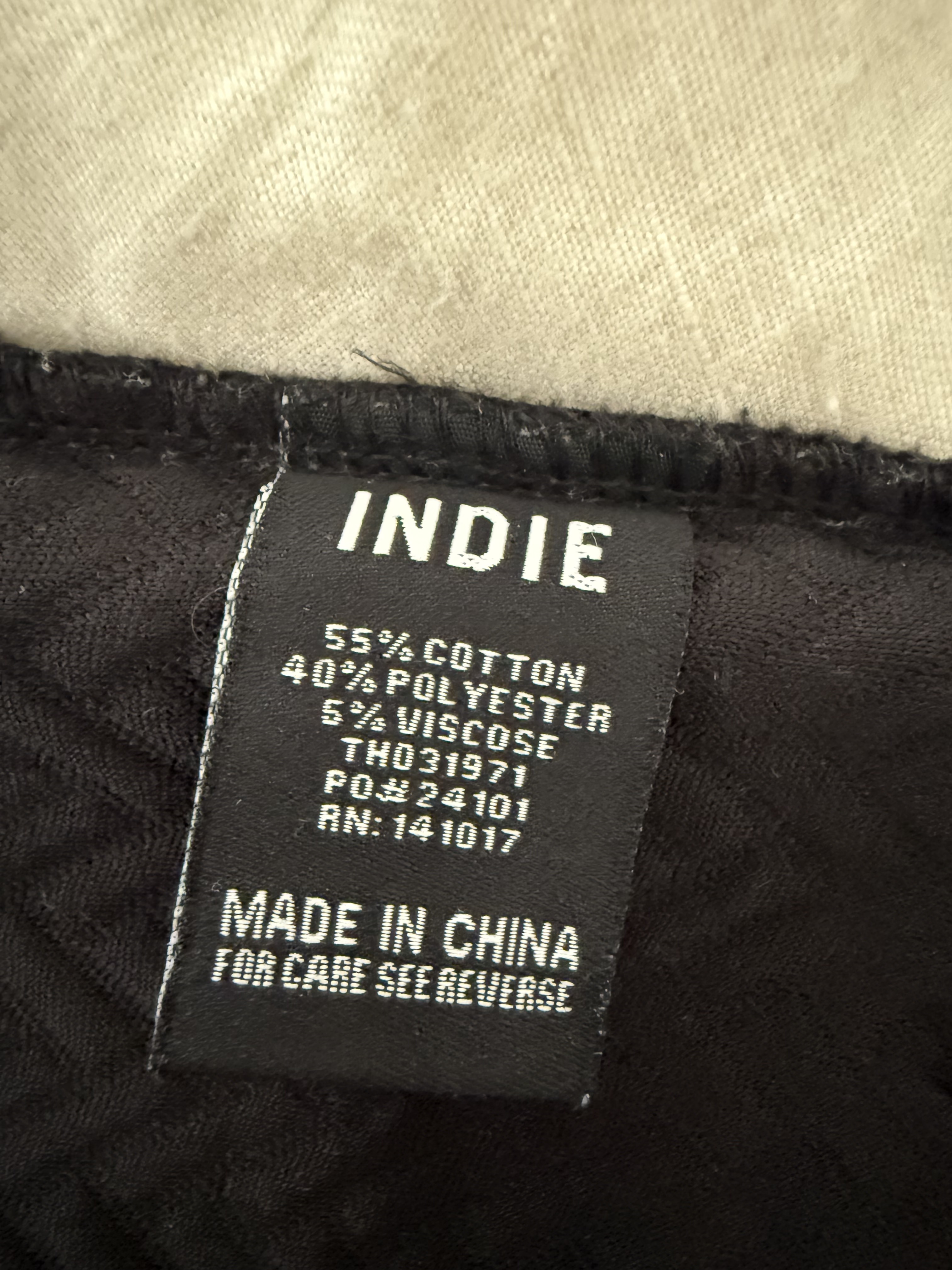
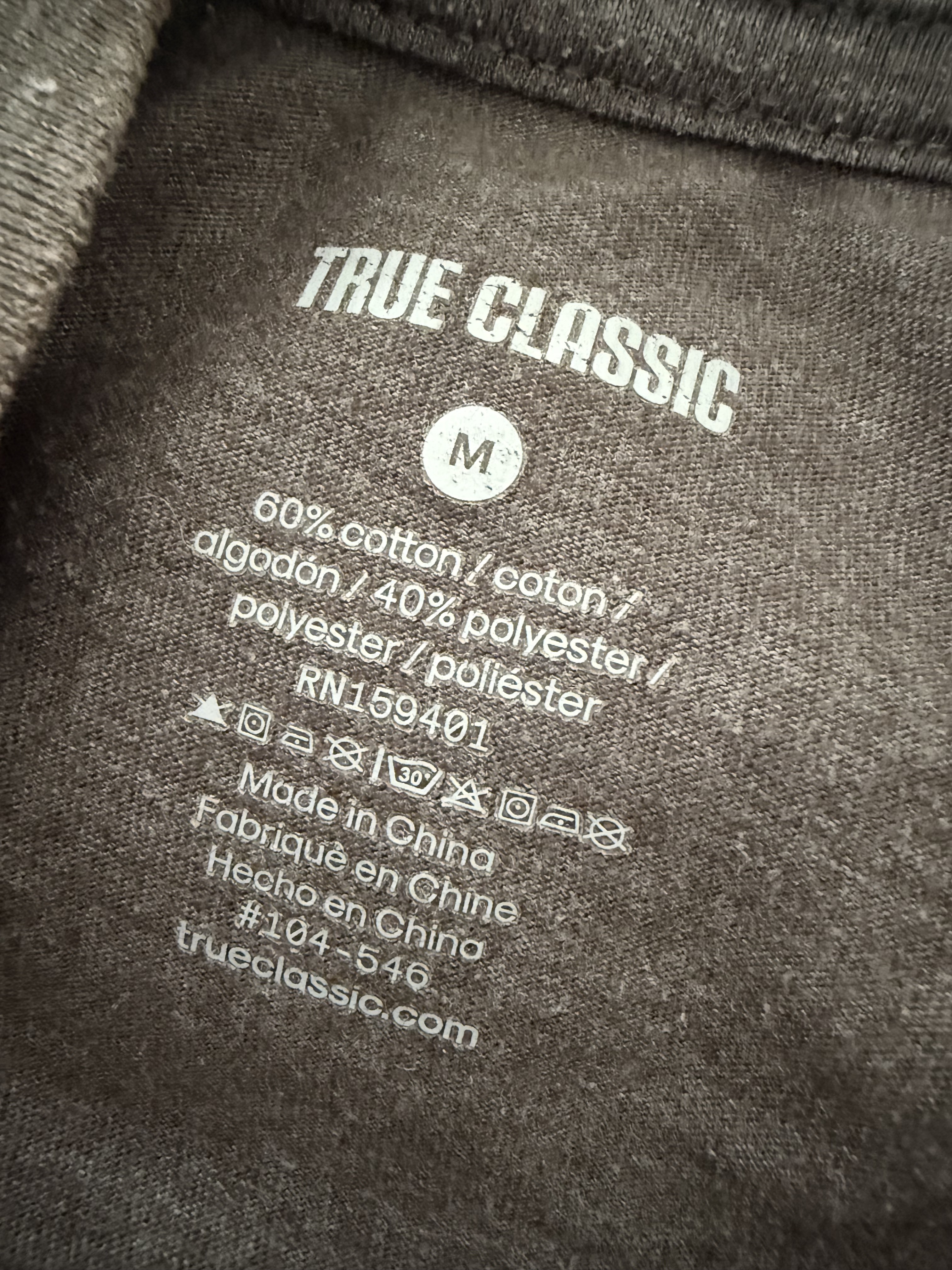
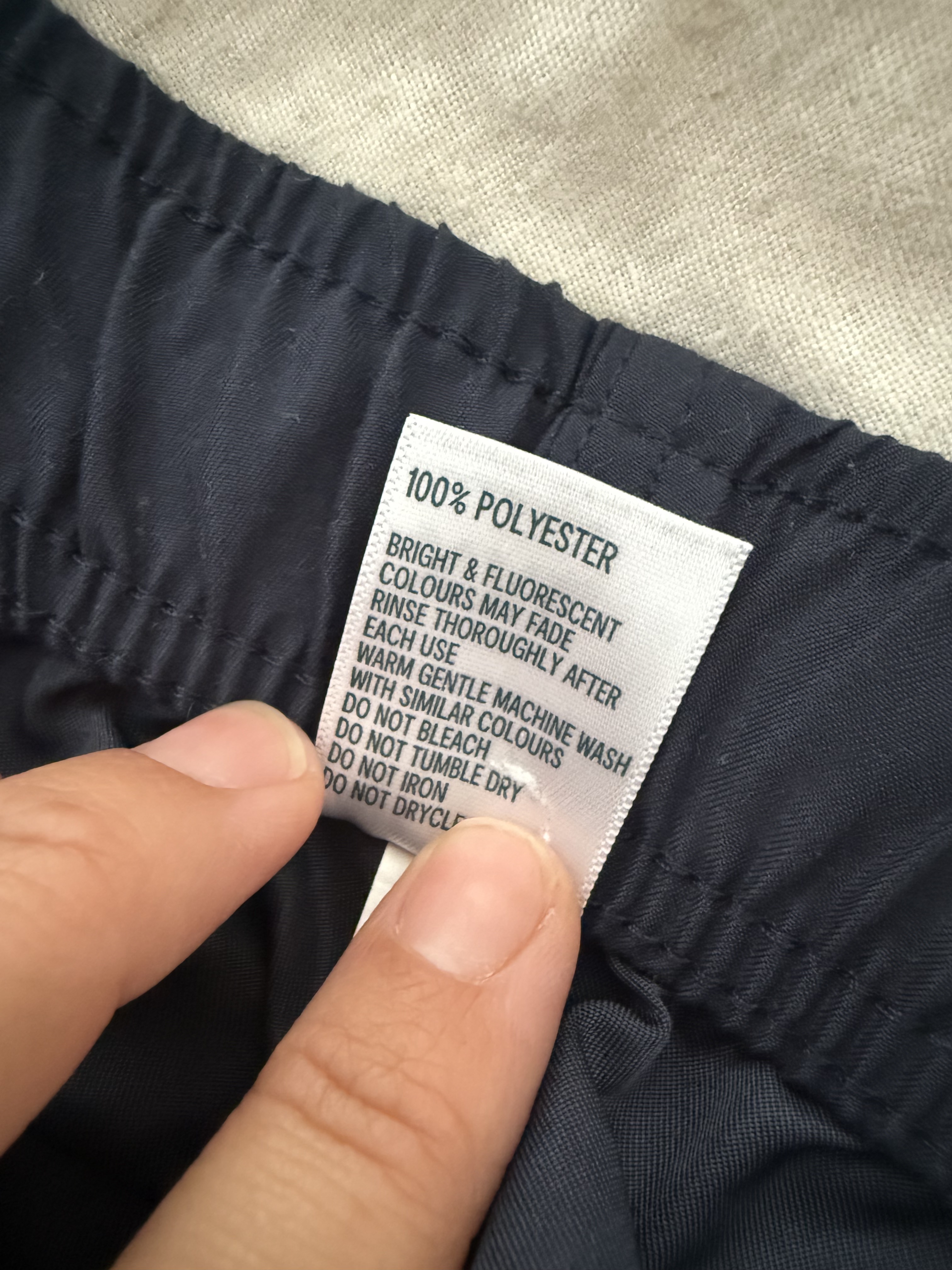
Let’s dive into the practicality of curating a healthy wardrobe step-by-step. You don’t have to do these all at once, but I would suggest carving out a little time for the first and most important step.
1. Wardrobe Audit
This is the most important step. Finding out what you’re actually wearing each day. We’re pretty time poor these days as a society, so we can break this step down even further to make sure the task isn’t too arduous that you don’t want to start. Perhaps you’d like to start with whatever season we’re going into. For example, we’re heading into winter, so for a fresh start with our winter wardrobes we can audit all our winter clothing first. Or you could start with underwear one day, tops another, pants another, dresses… you get the idea. Basically, it needs to be done first but not all at once if you don’t have the time. The most important thing is just starting.
How do we audit? For most clothing items this is going to be as easy as finding the care label. They’re usually located on the inside side seam but can sometimes be on the main tag (at the neck or back of pants, see images above). Then you will make a pile of all the clothing that has any synthetic fibre components. This is the list to avoid.
- Polyester
- Acrylic
- Nylon
- Spandex
- Lycra
- Elastane
- Polypropylene
- Polyethylene (basically avoid anything poly…)
As you can see synthetic materials come in many forms and names and that’s not even considering semi-synthetic fibres like rayon and modal (which are made from wood pulp (cellulose) but use a lot of chemicals in creating them). If it is not a known natural fibre like linen, hemp, wool, organic cotton, it is best to avoid.
Now, I would like to have a completely plastic free wardrobe, BUT there are some instances where the fibre is not able to perform properly without a small inclusion of plastic fibres. Such as activewear, I have ditched my recycled plastic polyester activewear and now use activewear that are 90% organic cotton and 10% spandex. In some cases this will be unavoidable. So for things like activewear and underwear if there is 10% or less synthetic fibre, keep it – these items need a tiny bit to perform as we expect. Everything else goes in a NO pile.
2. Reflect and Remove
Now that you have cleared your wardrobe of unwanted hidden plastics, you might be thinking you have nothing to wear. It’s important to consider the long-term goal here, healthy wardrobe = ridding hidden toxins that your skin is absorbing everyday = healthier you & healthier planet.
Now we don’t want to be wasteful so PLEASE do not throw these clothes away. When it is time to remove them from your home, consider these options.
- Re-use for a different purpose – is there something that is maybe coming to the end of it’s life and could be cut up and used as rags to clean the car or windows?
- Sell on online second-hand stores like Depop
- Host a clothes rack at your local second-hand clothing markets like Love Me Again Markets
- Donate to a charity or local op shop
- If there are items that cannot be used for another purpose or donated, send them to a textile recycling company like Upparel
3. Recreate
Now it’s time to recreate your wardrobe! Depending on how much you got rid of, this doesn’t mean you have to go out and buy a bunch of new items. Maybe you have decluttered your wardrobe and are happy with the size of it now. You might simply have to spend some time trying on the remaining healthy items and working out outfits with what you own. If you do feel like it needs some additions follow these rules.
- Conscious choices – when you’re trying your current items on you might find there is a common theme with something missing. Maybe you no longer have a white t-shirt that goes with everything. Write it down in your phone so the next time you’re thinking of buying something it is not on impulse but something you need that you know will go with multiple things across your newly curated healthy wardrobe.
- Second-hand first – use platforms like those mentioned above to purchase natural second-hand items. Make sure to always look at the tag or ask the seller for the material composition or photo of the tag.
- Choose ethical brands – there are many great ethical fashion brands around, you just need to know how and where to look. Most of us tend to shop online these days, so be sure to check out their commitment to ethical and sustainable practices on their website. If you can’t find it, they’re likely not ethical. Ethical business owners are not afraid to be transparent about their supply chain, manufacturing and materials. If they can’t give this information, don’t give them your hard-earned money. Even in the world of ethical fashion, be warned that not all brands will only use natural materials. Do your due diligence as a conscious consumer and healthy wardrobe aficionado to check the material compositions from anything you buy, even from ethical brands.
- Check the dyes – the dyes used to colour our clothing can be another hidden toxin area, check dyes are OEKO-TEX certified (meaning they’re tested to be safe to wear) or natural dyes (dyes made from plants). This can mostly only be done with new clothing rather than second-hand, unless you know the brand and can check their website.
Please remember, this is a process, not an overnight change. Change takes time. Even I would like to rid my home of any form of plastic overnight, this simply is not realistic. Take your time to do it thoroughly and I promise you will have an appreciation for your clothing like never before.
Summary – because this was longer than I expected – I’m just super passionate about healthy & ethical fashion ;)
- Your skin is the largest organ of your body and can absorb what is put on it.
- Petroleum (yep oil!)/plastic (which is made from oil) based fibres are impacting our health in many concerning ways.
- Create a healthy wardrobe by
- Doing a wardrobe audit to check care labels and remove anything with a synthetic fibre composition.
- Reflect on the long-term goal of a healthier wardrobe, healthier you and remove the synthetic clothing from your life.
- Recreate your wardrobe and style by considering what your curated wardrobe now contains, only adding when necessary, by shopping consciously.
- This is a process, break it down and take your time.
- Don’t forget to audit your kids wardrobes too!
- I’m here to help so ask me anything!
Have fun curating your healthy wardrobe!
Loz xx
Disclaimer: No AI was used in the making of this blog post
If you’re interested in this topic, here are some extra resources!


Leave a Reply